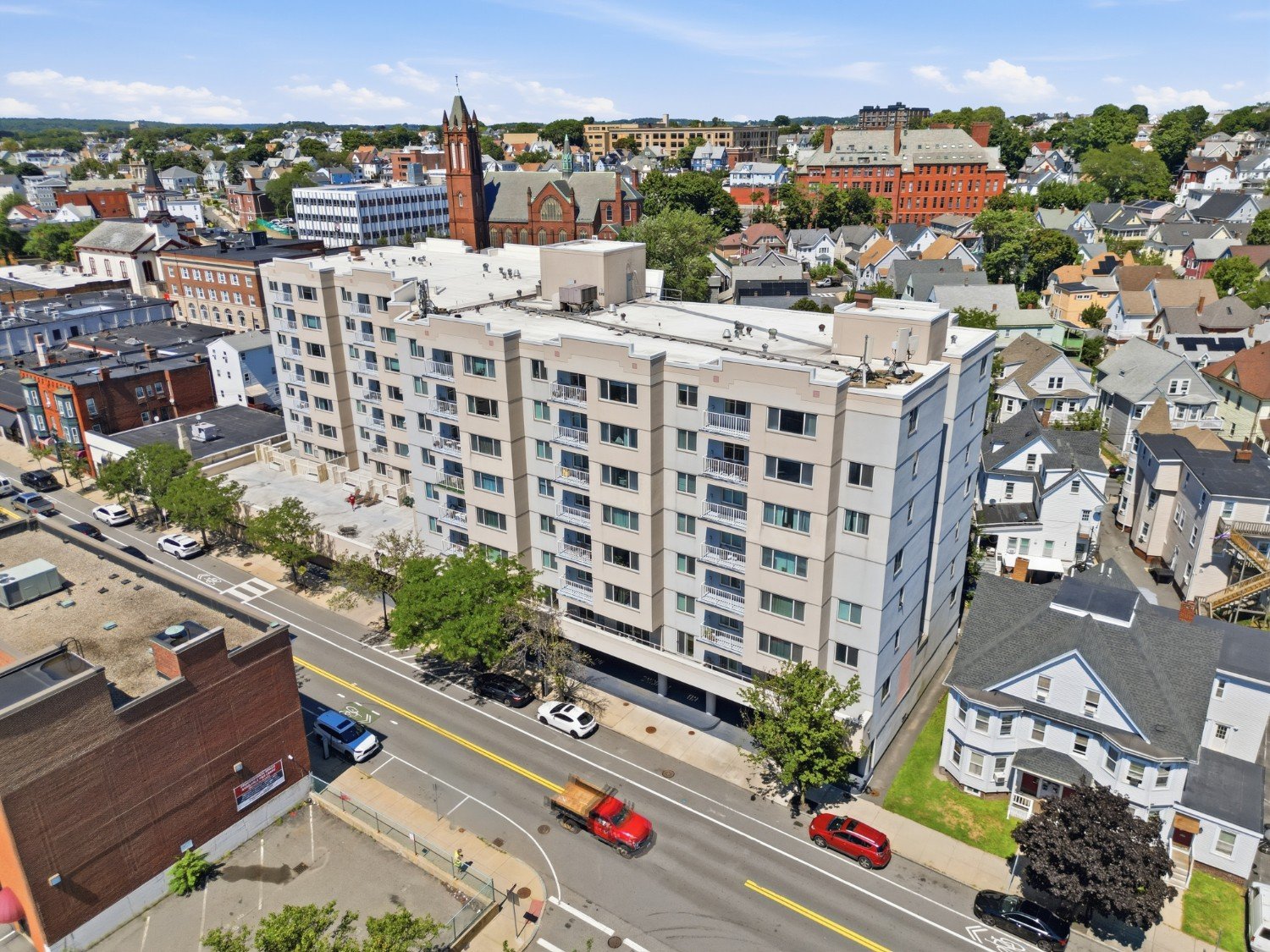
Before you fall for a unit, ask for the paperwork behind it. The recorded master deed, bylaws, current budget, reserve balances, recent minutes, and any assessment information show what you would inherit as an owner. Compare them against the listing, and have them checked with you before your offer is final.
What should buyers review in condo documents before making an offer?
Before an offer, review in condo documents the recorded master deed and amendments, the declaration of trust and bylaws, the current budget and reserve balances, recent meeting minutes, and any approved or proposed special assessments. A listing summary gives you a monthly fee and a square footage. These records show what the building owes, what it plans to fix, and what you would be responsible for the day you close.
Key Takeaways
- Massachusetts condominiums are governed under M.G.L. chapter 183A, but every building’s paperwork is different, reading the documents before you offer beats learning the terms after you are under contract.
- The master deed sets your unit’s percentage interest in the common elements, which affects your share of common expenses and, depending on your municipality, your portion of the property tax bill.
- A low monthly condo fee is not automatically a good sign, because it can mean the association is postponing maintenance or underfunding reserves.
- Meeting minutes can reveal roof, masonry, window, plumbing, or water intrusion problems and owner disputes long before they appear in a budget.
- Ask in writing whether any special assessment has been approved, proposed, billed, or scheduled, and confirm how it is handled in your purchase agreement.
Which recorded condo documents should you request first?
Start with the master deed, all recorded amendments, the declaration of trust, the bylaws, the rules and regulations, and any plans the documents reference. Those are the instruments that define what you are buying and how the building is run.
Condominiums in Massachusetts are governed under M.G.L. chapter 183A, and every building’s paperwork is a little different. I walk first-time buyers through the same sequence each time, because reading the documents before you make an offer beats rushing in and learning the terms afterward.
What does the master deed tell you?
The master deed defines the units, the common elements, and each unit’s percentage interest in the common elements. Check that the unit description in the deed matches the listing. Confirm the storage area, parking space, and any deck or balcony, and see how each is classified. A space you assume is yours can turn out to be a common element or a limited common element.
Who runs the building, and under what rules?
In many Greater Boston condominiums, a Massachusetts trust manages and regulates the property, and its declaration of trust contains the bylaws. The bylaws tell you how the board is chosen, how budgets and assessments are approved, and what the rules are for renovations, rentals, and pets.
- Master deed: what you own, what is shared, and your percentage interest.
- Declaration of trust: the entity that manages the condominium.
- Bylaws: how decisions, charges, and rules work day to day.
How do you confirm you have the current version?
Look for the recording information. Massachusetts condominium documents are filed at the Registry of Deeds for the county where the property sits, or for registered land, noted through the Land Court system. The book and page, document number, or certificate reference lets your closing agent confirm the operative version instead of relying on a summary from the seller or a broker. If amendments were recorded after the original master deed, you need those too.
Does the master deed affect your property tax?
It can. In many Massachusetts municipalities, a condominium owner’s portion of the tax bill is based on the owner’s share of the common interest shown in the unit deed. Verify your unit’s percentage and the current assessment with your city or town’s assessing department rather than trusting a listing sheet. This is separate from your association charges, and the figures can differ from what the listing shows.
What should you review in condo documents about money and repairs?
Compare the budget, the financial statements, the reserve balances, and the meeting minutes side by side. Each one tells part of the story, and the monthly fee alone tells you the least.
| Document | What it shows | What to look for |
|---|---|---|
| Current operating budget | What the association expects to spend and collect | Recent increases in common charges and line items that look too small |
| Balance sheet and reserve information | What the association has set aside for future repairs | Whether reserves match the building’s age and known projects |
| Annual and special meeting minutes | What owners and the board have discussed and voted on | Repeated mentions of roof, masonry, windows, elevators, plumbing, or water intrusion |
| Assessment information | Approved, proposed, or billed special assessments | Amounts, unit allocation, payment dates, and unpaid balances |
| Insurance and vendor contracts | How the building is covered and serviced | Claims history and contracts that are expiring or under dispute |
How do you read the budget and reserves?
A low monthly fee is not necessarily a bargain. If the association is putting off maintenance or underfunding reserves, the bill arrives later as a special assessment or a large fee increase.
Massachusetts does not set a universal reserve amount that every condominium must hold. Ask for the current budget, the balance sheet, the reserve balances, and any capital plan, then judge them against the age and condition of the building. A building with aging mechanical systems and thin reserves is a different purchase than the monthly fee suggests.
What do the meeting minutes reveal?
Minutes can show planned capital work, financial concerns, owner disputes, and votes that affect you, none of which a listing will mention. Ask for annual and special meeting minutes, board minutes if they exist, meeting notices, and any correspondence about major projects. Read at least the recent history.
If you see the same leak, façade repair, or boiler discussion come up meeting after meeting with no resolution, that is information you need before pricing your offer. Mentions of litigation or owners behind on charges deserve a closer look as well. If a legal dispute turns up, that is the point to bring in a real estate attorney.
How do you find out about special assessments?
Ask in writing. You want to know whether any special assessment has been approved, proposed, discussed, billed, unpaid, or scheduled, along with the total amount, your unit’s allocation, and the payment dates.
Allocation depends on the governing documents and the purpose of the assessment. Whether the current owner or you carry a given assessment also turns on your purchase agreement and closing documents. That is commonly a negotiated point, so confirm it in your own contract and with your closing agent rather than assuming.
Who is responsible for windows, pipes, and balconies?
The master deed and bylaws may allocate windows, doors, balconies, pipes, heating equipment, and structural components differently than you would guess. Settle that before you estimate future maintenance. A unit that looks cheaper on paper can cost more to own if the unit owner, not the association, handles items you assumed the building covers.
How do you fit condo document review into a Greater Boston offer?
Gather the documents early, and plan to have your closing agent compare them with each other and with the proposed purchase contract. The goal is not just to receive a stack of paper. It is to confirm that the master deed, amendments, bylaws, budget, minutes, reserve information, insurance, and assessment disclosures are consistent.
Timing matters in Greater Boston. Strong listings across the area move quickly, and an individual unit depends on its building, condition, and timing. Getting the paperwork in hand before you are ready to offer means you are not scrambling to review documents while the clock is running. Homes for sale now across the area give you room to compare buildings rather than settling for the first one that looks right.
Here is how I help buyers keep it moving:
- Flag the buildings you like and request the documents before you tour a second time.
- Check the unit description, percentage interest, and recording information against the listing.
- Read the minutes and compare them with the budget and reserves.
- Ask in writing about assessments, then decide how the contract should treat them.
- Confirm your inspection timing, which I cover in my post on inspections in Massachusetts and when a buyer can back out.
If you are weighing how hard to push on price or terms once you see what the documents reveal, my post on negotiating leverage before an offer is a good next read. First-time buyers should also look at common first-time buyer mistakes in Greater Boston.
Your numbers depend on the building, the unit, and your financing, and that is where I come in. This is the kind of review I walk my clients through before they write an offer, so you are comparing real terms and not just a listing photo and a fee.
Want to see what other buyers and sellers say about working with me? Read my reviews on Google.
FAQ
What condo documents should I review before making an offer?
Request the master deed, all recorded amendments, the declaration of trust, the bylaws, the rules and regulations, the current budget, reserve information, recent meeting minutes, and any assessment information. Then confirm that the unit description, parking, storage, and percentage interest match the listing.
Can I ask for the condo budget and reserve balance before I submit an offer?
Yes, you can ask for them, and you should. Availability and timing depend on the seller and the association or its manager. How your offer is conditioned on reviewing them is something we set up in the purchase contract, so talk to me before you write the offer.
How do I find out whether a condo has a pending special assessment?
Ask in writing whether any assessment has been approved, proposed, billed, unpaid, or scheduled, and read the recent minutes for discussions of major projects. Compare what you learn with the budget and reserve balances, since a big planned project with thin reserves is a warning sign.
Who pays a special assessment approved after my offer but before closing?
It depends on your purchase agreement and closing documents, and it is commonly negotiated between the parties. Do not assume either side carries it. Confirm the language in your own contract with your closing agent.
How can I verify that later amendments to the condo documents were recorded?
Use the recording information in the documents, such as the book and page, document number, or Land Court certificate reference, to confirm the amendment at the Registry of Deeds for the county where the property is located. Your closing agent can verify the operative version for you.
What is the difference between a master deed, declaration of trust, and condo bylaws?
The master deed defines the units, common elements, and each owner’s percentage interest. The declaration of trust establishes the entity that manages the condominium. The bylaws set the rules for how the association operates, including how the board is chosen, how budgets are approved, and what owners can and cannot do with their units.
Ready to look at condos in Greater Boston with the paperwork in hand?
The monthly fee is only the start. The recorded documents, budget, reserves, minutes, and assessment information tell you what you are really buying, and I will help you read them before you commit. When you are ready, find out the value of your home if you are selling first, or search for homes and call or text me at 781-454-9900 to set up a consultation.
Equal Housing Opportunity. Bob Bittelari, Massachusetts real estate licensee (Sales), regulated by the Massachusetts Board of Registration of Real Estate Brokers and Salespersons. This article is general information, not legal, tax, or financial advice; confirm your own numbers and documents with your closing agent, tax advisor, or lender.